

SOC 2 compliance is not a "set it and forget it" achievement. For many security teams, the initial audit feels like a victory, but the subsequent maintenance is a gauntlet of manual tasks and potential control gaps. One of the most scrutinized areas during a SOC 2 Type II audit is the logical access termination process.
If your offboarding process relies on a frantic Slack message to the IT team on a Friday afternoon, you are likely failing your controls. Auditors don't want to hear that you "usually" remove access; they want proof. Specifically, they want to see that your employee termination access removal is consistent, timely, and documented.
Here are the seven most common mistakes organizations make with SOC 2 offboarding controls and the architectural shifts required to fix them.
1. The "Ghost Policy" Mistake
Many organizations have a documented offboarding policy that exists only as a PDF in a dusty compliance folder. If your policy states that access is revoked within 24 hours but your actual execution varies by department or manager, you have a control gap. Auditors look for the delta between what you say you do and what you actually do.
The Fix: Operationalize your policy. Instead of a static document, use a platform where the policy is the workflow. When the policy dictates the steps, the process becomes tamper-resistant and impossible to ignore.
2. The Departure Lag
Delayed revocation is the "silent killer" of SOC 2 audits. If an employee leaves at 5:00 PM on Friday, but their Active Directory account remains active until Monday morning, you have an unauthorized access window. Even a few hours of lag can lead to a qualified opinion if it’s a recurring pattern.
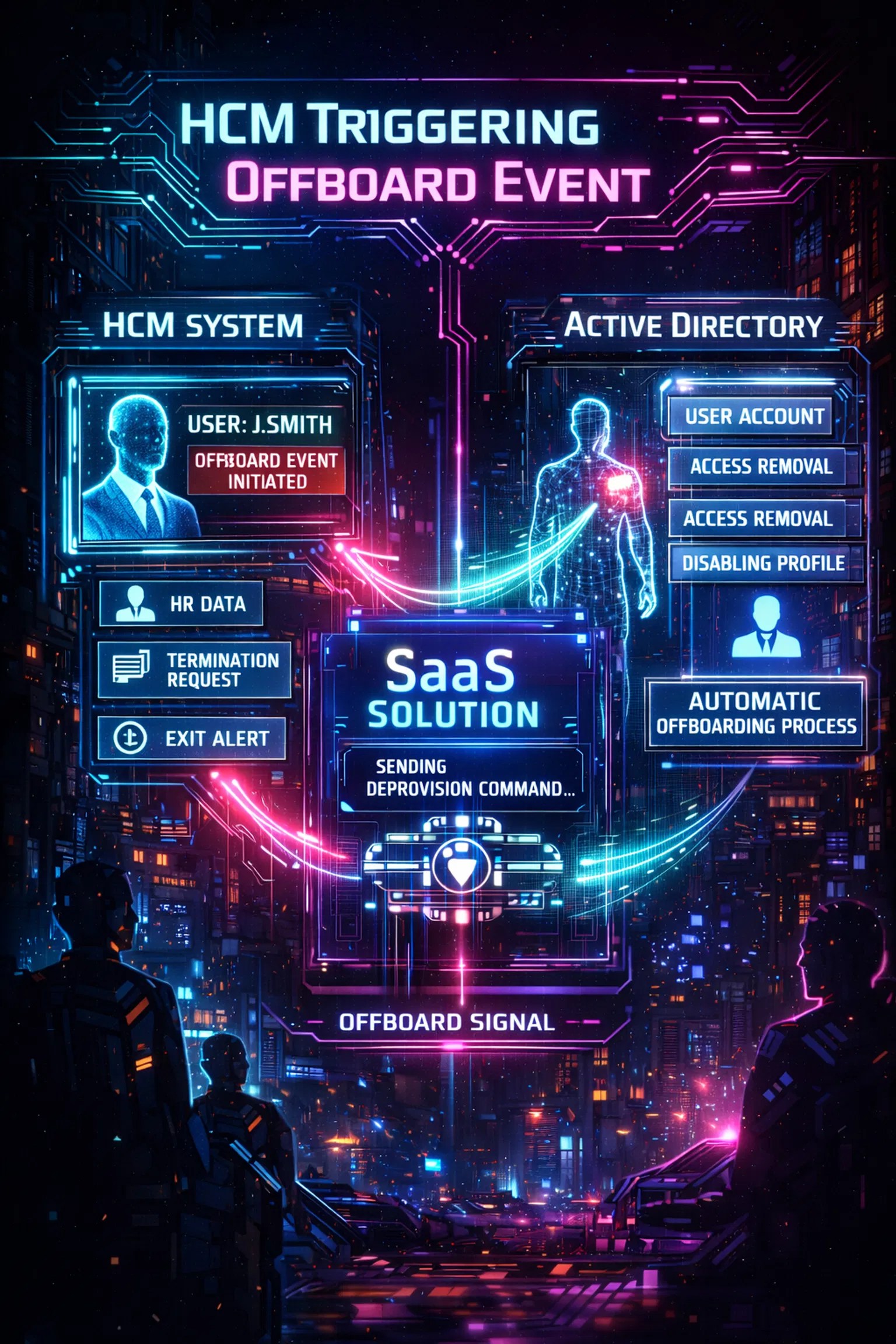
The Fix: Shift to hr triggered offboarding. By connecting your HRIS directly to your identity systems, the moment an employee’s status changes to "Terminated," the deprovisioning sequence should fire automatically. This eliminates the "notification lag" between HR and IT.
3. Spreadsheet Security
Managing offboarding via spreadsheets or ad-hoc checklists is a recipe for human error. It is impossible to maintain identity governance for startups or mid-market companies using manual tools as they scale. Spreadsheets don't have audit logs, they don't capture timestamps, and they certainly don't prevent an admin from skipping a step.
The Fix: Implement automated user deprovisioning. Moving from a manual checklist to an automated workflow ensures that every system: from GitHub to AWS: is touched every single time. This consistency is exactly what auditors look for in a mature control environment.
4. The Shadow User Gap
Most offboarding processes cover the big systems like Email and Slack but miss the "shadow" accounts. This includes shared admin credentials, local accounts on legacy servers, or second-domain identities. If you are struggling with multi domain active directory management, you likely have orphaned accounts lurking in your environment.
The Fix: Maintain a person-centered identity map. You should be able to view an employee not just as a single account, but as a cluster of identities across all domains. The Offboarder platform specializes in this type of identity correlation, ensuring no "shadow" access remains active.

5. The Ownership Void
Who is responsible for the offboarding control? Is it HR? Is it IT? Often, the answer is "both," which usually means "neither." When a control lacks a single point of accountability, tasks fall through the cracks. During an audit, if the auditor asks who ensures the completeness of access removal and receives a shrug, you've already lost.
The Fix: Define a clear Control Owner. This individual should have visibility into the entire lifecycle. Utilizing a dedicated dashboard for offboarder logical access termination allows the owner to monitor real-time success rates and intervene if an automation fails.
6. Evidence by Hearsay
"I think we disabled that account" is not evidence. To pass SOC 2 or ISO 27001, you must produce audit evidence for access removal that is timestamped and immutable. Manually taking screenshots of "User Disabled" screens is a massive time sink and is prone to being lost or mislabeled.
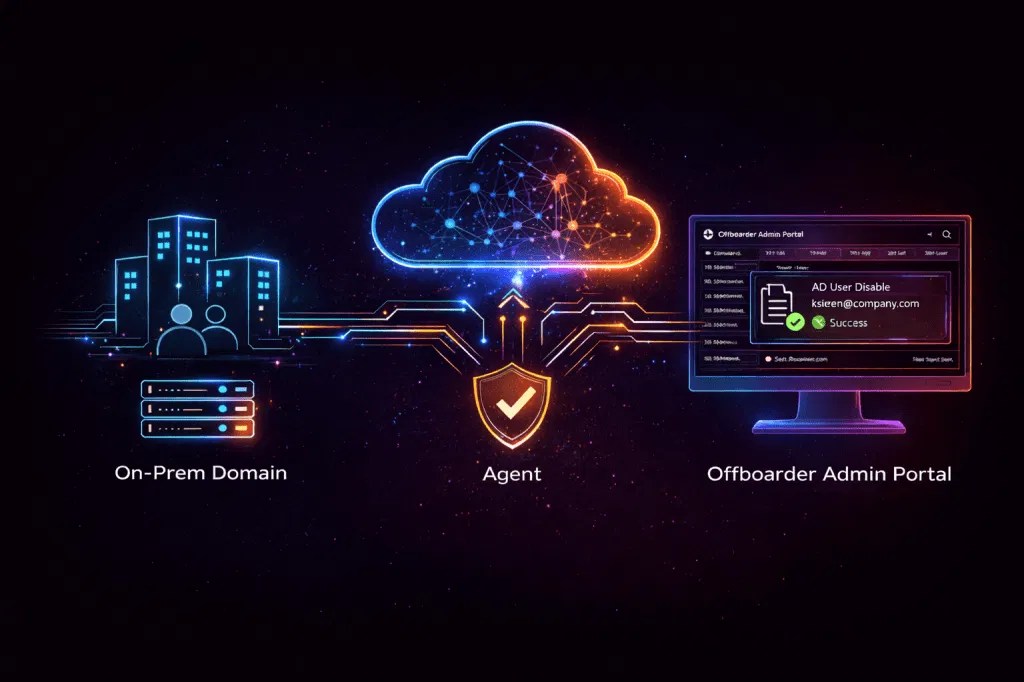
The Fix: Use a system that generates an automated audit trail. Every deprovisioning action should result in a log entry that includes the who, what, when, and result. This "evidence capture" should be a byproduct of the work, not a separate task. This makes providing iso 27001 offboarding evidence a simple export rather than a weeks-long forensic project.
7. The HR-IT Silo
Treating offboarding as "just an IT task" ignores the source of truth. IT only knows to remove access when they are told. If the communication channel from HR is broken: via a missed email or a forgotten ticket: the IT team remains in the dark while the risk grows.
The Fix: Integrate the source of truth. Modern employee offboarding software must bridge the gap between HR systems (like Workday, BambooHR, or Rippling) and technical directories. This integration ensures that the technical team isn't waiting for a "heads up": they are working from the authoritative data source.
Solving the SOC 2 Offboarding Puzzle
For many small to mid-market organizations, enterprise tools like SailPoint are too complex and expensive. However, "doing it manually" is no longer a viable security or compliance strategy.
Offboarder provides a specialized Okta lifecycle management alternative that focuses specifically on the termination side of the equation. By automating the most high-risk part of the identity lifecycle, organizations can significantly reduce their operational risk and guarantee audit-readiness.
Whether you are looking for an affordable IAM solution or the best employee offboarding software to handle complex, multi-domain environments, the goal remains the same: speed, consistency, and proof.
Stop treating offboarding as a series of chores and start treating it as a critical security control. Check out our pricing to see how we fit your budget, or explore our use cases to see how we help organizations like yours master the exit interview( at least the digital part of it.)
Leave a Reply